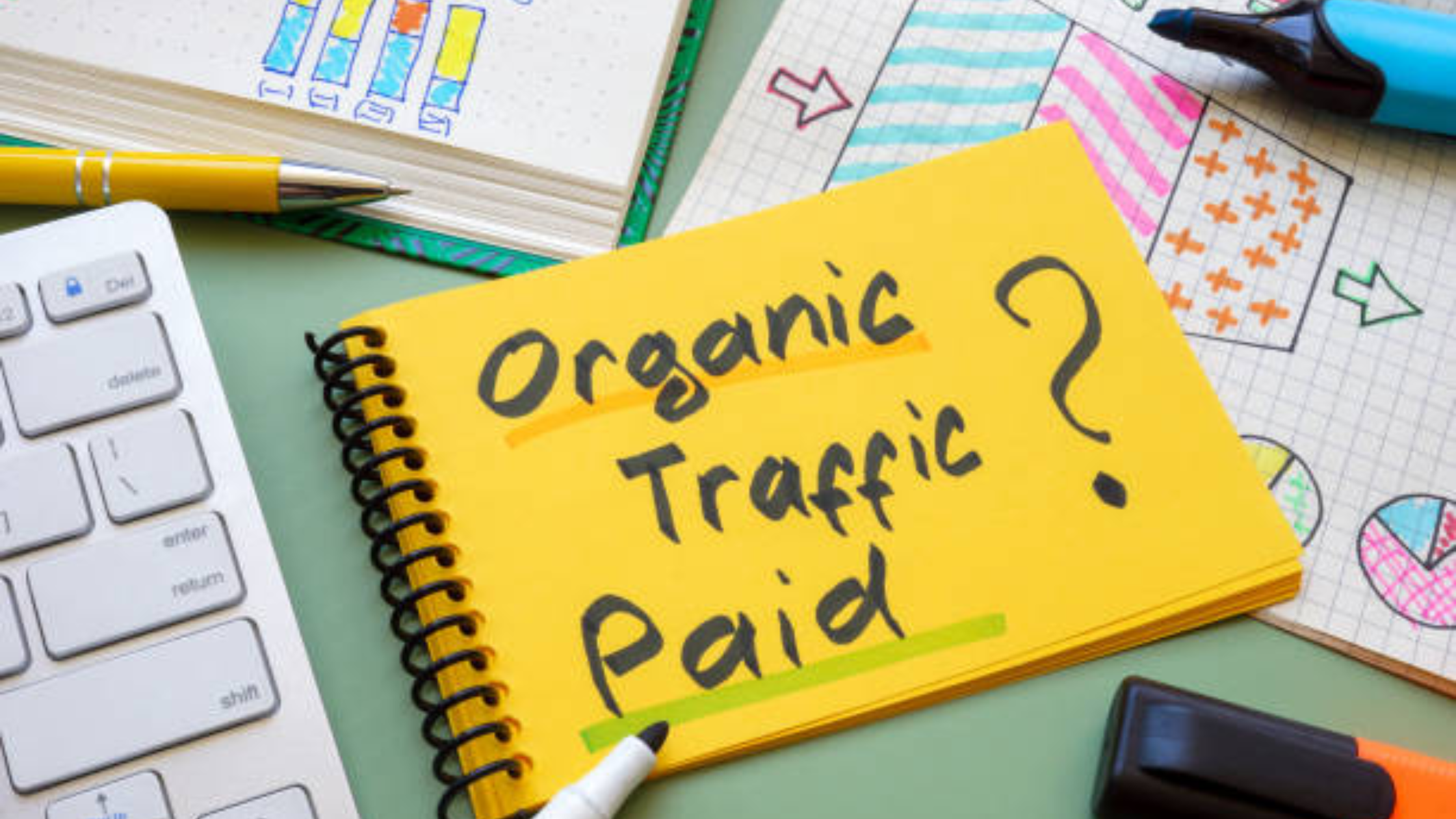
In today’s competitive digital landscape, local businesses must make strategic decisions about where to invest their marketing budget. At Consumers Approach, we often see business owners struggle to choose between organic and paid traffic strategies. Both have unique advantages, but the real question is: which one drives better leads and long-term growth?
This guide breaks down the differences, benefits, and real-world applications of organic vs paid traffic so you can make smarter decisions backed by performance and ROI.
Understanding Organic vs Paid Traffic
Before comparing results, it’s important to clearly define both traffic types and how they function in a digital marketing ecosystem.
What is Organic Traffic?
Organic traffic refers to visitors who land on your website through unpaid search engine results. This is driven primarily by SEO efforts, content marketing, and overall online authority.
- Search engine optimization (SEO)
- Blog content and inbound marketing
- Local SEO and Google Business profiles
- Social media engagement (non-paid)
What is Paid Traffic?
Paid traffic comes from advertisements where businesses pay to appear in front of their target audience.
- Pay-per-click (PPC) campaigns
- Google Ads and display ads
- Social media advertising
- Sponsored listings
Understanding these fundamentals sets the stage for evaluating their impact on lead generation and conversions.
Lead Generation: Which Channel Delivers Higher Quality?
Lead quality is often more important than traffic volume, especially for local businesses aiming for conversions rather than just visibility.
Organic Traffic Leads
Organic traffic tends to bring in highly intent-driven users.
- Users actively searching for solutions
- Higher trust in organic search results
- Better long-term conversion rates
- Strong alignment with inbound marketing vs outbound marketing
Organic leads are typically warmer because users are already interested in what you offer.
Paid Traffic Leads
Paid traffic can deliver immediate leads, but quality varies.
- Fast visibility and instant clicks
- Can target specific demographics
- Requires strong ad copy and landing pages
- Often aligned with outbound marketing strategies
While paid traffic can generate leads quickly, those leads may require more nurturing.
SEO vs PPC: A Strategic Comparison
When comparing seo vs ppc, the decision is not always about choosing one—it’s about understanding when to use each.
SEO Advantages
SEO builds long-term authority and consistent traffic.
- Sustainable growth over time
- Lower cost per acquisition (CPA)
- Builds credibility and trust
- Supports long-term growth marketing
PPC Advantages
PPC campaigns offer immediate results and precise targeting.
- Instant traffic generation
- Scalable campaigns
- Measurable and controllable
- Ideal for promotions and seasonal offers
Key Insight
SEO is a long-term investment, while PPC is a short-term accelerator. The most effective strategies combine both.
Marketing ROI Comparison: Which Offers Better Returns?
Every business wants to maximize its return on investment. Let’s break down the marketing ROI comparison between organic and paid traffic.
Organic Traffic ROI
- High ROI over time
- Minimal ongoing costs after ranking
- Compounding returns through content
- Requires patience and consistency
Paid Traffic ROI
- Immediate but short-lived returns
- Costs increase with competition
- ROI depends on ad optimization
- Stops when budget runs out
Conclusion on ROI
Organic traffic typically delivers higher ROI in the long run, while paid traffic provides quick wins. A balanced approach often yields the best results.
Speed vs Sustainability: A Critical Trade-Off
One of the biggest differences between organic and paid traffic lies in how quickly results appear.
Organic Traffic
- Takes time to build
- Long-lasting results
- Sustainable growth engine
Paid Traffic
- Immediate visibility
- Short-term impact
- Requires continuous investment
For local businesses, this means organic traffic builds a foundation, while paid traffic fills immediate gaps.
Cost Analysis for Local Businesses
Budget constraints are a major factor for small and local businesses.
Organic Traffic Costs
- Content creation
- SEO tools and expertise
- Time investment
Paid Traffic Costs
- Ad spend
- Campaign management
- Testing and optimization
While organic requires upfront effort, paid traffic requires ongoing financial commitment.
Growth Marketing Perspective: Combining Both Channels
From a growth marketing standpoint, relying solely on one traffic source is limiting.
Best Hybrid Strategy
- Use SEO for long-term authority
- Use PPC for immediate lead generation
- Retarget organic visitors with paid ads
- Align both with conversion-focused landing pages
This integrated approach ensures consistent traffic and improved conversions.
Inbound Marketing vs Outbound Marketing: Where They Fit
Understanding inbound marketing vs outbound marketing helps clarify how organic and paid traffic function.
Inbound Marketing (Organic)
- Attracts customers naturally
- Builds relationships and trust
- Includes blogs, SEO, and content marketing
Outbound Marketing (Paid)
- Pushes messages to audiences
- Includes ads, cold outreach, and promotions
- Faster but less trust-driven
Local businesses benefit most when they blend both approaches effectively.
When Should Local Businesses Use Organic Traffic?
Organic traffic is ideal when:
- You want long-term visibility
- You’re building brand authority
- You have time to invest in SEO
- You aim for sustainable lead generation
When Should Local Businesses Use Paid Traffic?
Paid traffic works best when:
- You need immediate leads
- You’re launching a new service
- You’re running seasonal campaigns
- You want to test new markets
Common Mistakes to Avoid
Even experienced marketers make mistakes when choosing between organic and paid traffic.
- Relying only on paid ads without SEO
- Expecting instant results from organic strategies
- Ignoring conversion optimization
- Not tracking performance metrics
Avoiding these pitfalls can significantly improve your results.
Future Trends in Traffic Generation
The future of traffic acquisition is evolving rapidly.
- AI-driven search and personalization
- Voice search optimization
- Increased competition in paid ads
- Greater emphasis on content quality
Businesses that adapt early will gain a competitive edge.
Final Verdict: Which One Generates Better Leads?
There is no one-size-fits-all answer.
- Organic traffic generates higher-quality, long-term leads
- Paid traffic delivers faster, scalable results
The best-performing local businesses combine both strategies for maximum impact.
Conclusion
Choosing between organic vs paid traffic isn’t about picking a winner—it’s about aligning your strategy with your business goals. At Consumers Approach, we recommend a balanced approach that leverages the strengths of both channels to maximize lead generation, improve conversions, and achieve sustainable growth.
If you’re ready to improve your digital strategy and increase your leads, contact us today to get started with a customized marketing plan tailored to your business needs.
FAQs
Organic traffic is better for long-term growth and trust, while paid traffic is ideal for quick results and immediate visibility.
SEO provides higher-quality leads over time, but PPC can generate leads faster. The best strategy combines both.
Paid traffic can convert well with proper targeting, but organic traffic often has higher intent and trust, leading to better long-term conversions.
SEO typically takes 3–6 months to show significant results, depending on competition and strategy.
Yes, especially for quick lead generation and promotions, but it should be balanced with organic strategies for long-term success.